
Mastering Real Time Project Visibility for Architecture and Engineering Firms

Most A&E firms run on a 30 day delay. By the time the monthly report shows a project is over budget, the budget has been over for three weeks. The fix is not a fancier report. It is real time visibility, which is closer to a habit than a tool.
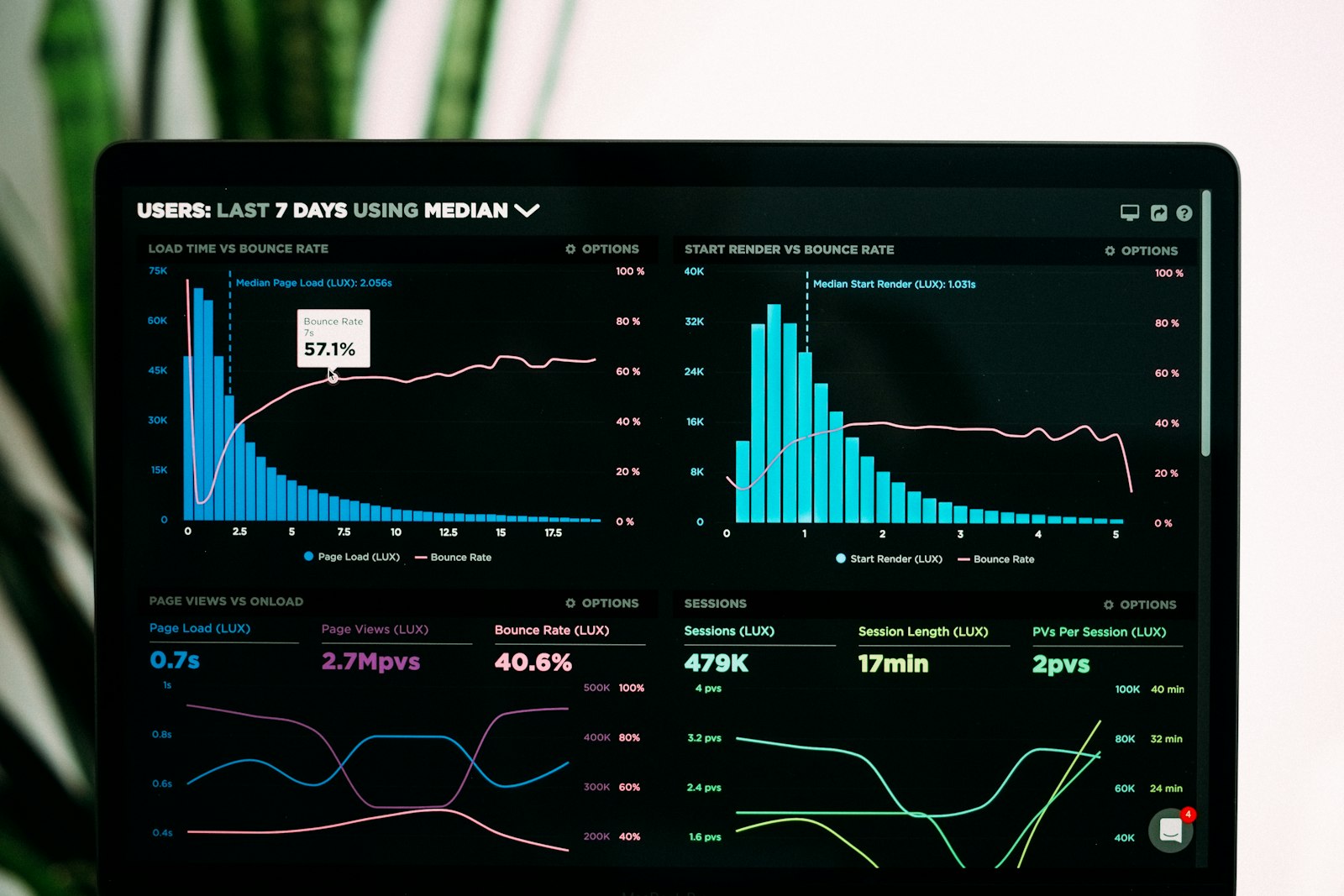
Why monthly reports fail
The monthly report has three structural problems that no amount of formatting fixes.
- The data is stale before it is read. A report dated the 5th of the month reflects the world of the 31st of last month.
- The data is rolled up too high. A project total hides the phase that is in trouble.
- Nothing happens between reports. Decisions wait for the next cycle, even when they should be made today.
Real time visibility flips all three. Live data, drilled down to the phase, with decisions made in the same week the signal appears.
The four signals worth watching live
Real time does not mean every metric. Most metrics do not change fast enough to matter daily. Four signals do.
Fee burn versus percent complete
The single most important leading indicator. If a phase is at 70 percent fee burn and 50 percent complete, the project is in trouble. Catching that gap in week six is the difference between a change order and a write off.
Utilization by team member
Utilization rolled up to the firm level is interesting. Utilization by individual is actionable. The senior architect at 110 percent for the last three weeks is going to burn out, miss something, or both.
Open RFIs and outstanding submittals
Schedule slip rarely starts in production. It starts in the wait time on RFIs and submittals. A live count by project tells you which projects are about to slip a week before the milestone.
Cash position by project
Invoiced. Aged. Paid. The cash story for each project, updated every time a payment lands or an invoice is issued. This is what tells you when to stop putting senior hours on a slow paying project.

What real time actually requires
Real time visibility is rarely about buying a more sophisticated tool. It is usually about closing four data gaps.
- Time entry latency. If staff log time on Friday for the whole week, your data is five days late by default. Push for daily entry.
- Phase coding accuracy. If hours are coded to the wrong phase, your fee burn chart lies. Spot check weekly.
- Invoice cycle time. If an invoice takes two weeks from internal approval to client send, your cash data is two weeks stale.
- Connected systems. Time, project budget, and accounting must talk. Any export step is a delay multiplier.
The dashboard that earns its place
A useful dashboard answers questions in under five seconds. If you have to scroll, drill, or filter, it is not a dashboard. It is a report dressed up.
The minimum useful set is one card per signal: fee burn ratio, utilization heatmap, open items, and cash by project. Anything else is decoration.
Tools like firm management platforms ship these out of the box. The platform is not the hard part. The discipline of feeding it clean data is.
How to roll this out without scaring the team
Real time data exposes problems faster, which means it exposes people faster. If the rollout feels like surveillance, adoption stalls and the data goes back to being late.
Frame the rollout as protecting the team from late surprises, not catching them out. Use the live signals in burn meetings to decide where to add help, not to assign blame.
The leadership behavior that makes it work
The single biggest predictor of whether real time visibility takes hold is whether the principal looks at the dashboard before the meeting. If leadership only consumes the monthly report, the team treats real time as theater.
Open the dashboard at the start of every internal review. Ask questions from it. Make decisions from it. Within a quarter, the rest of the firm catches on.
What changes after 90 days
Firms that adopt real time visibility well do not just catch problems faster. They start avoiding the same problems repeatedly. The fee burn pattern that always shows up at week four becomes a structural fix in the next contract. The utilization spike that always lands in October becomes a hiring trigger in August.
That is the real return. Not the dashboard. The decisions the dashboard forces.
Written by the Costifys editorial team
Costifys publishes practice-management research for architecture and engineering firms. Articles are written and reviewed in-house against our editorial policy, which covers how we source figures, when we update articles, and how we handle claims about our own product.
See who is free, who is busy, and where to staff next
Costifys shows you capacity across your whole team so you can staff the right people on the right projects.
Get weekly A&E firm insights
Budgeting tips, utilization benchmarks, and product updates. No spam.