
Guide to Site Analysis for Architecture Projects
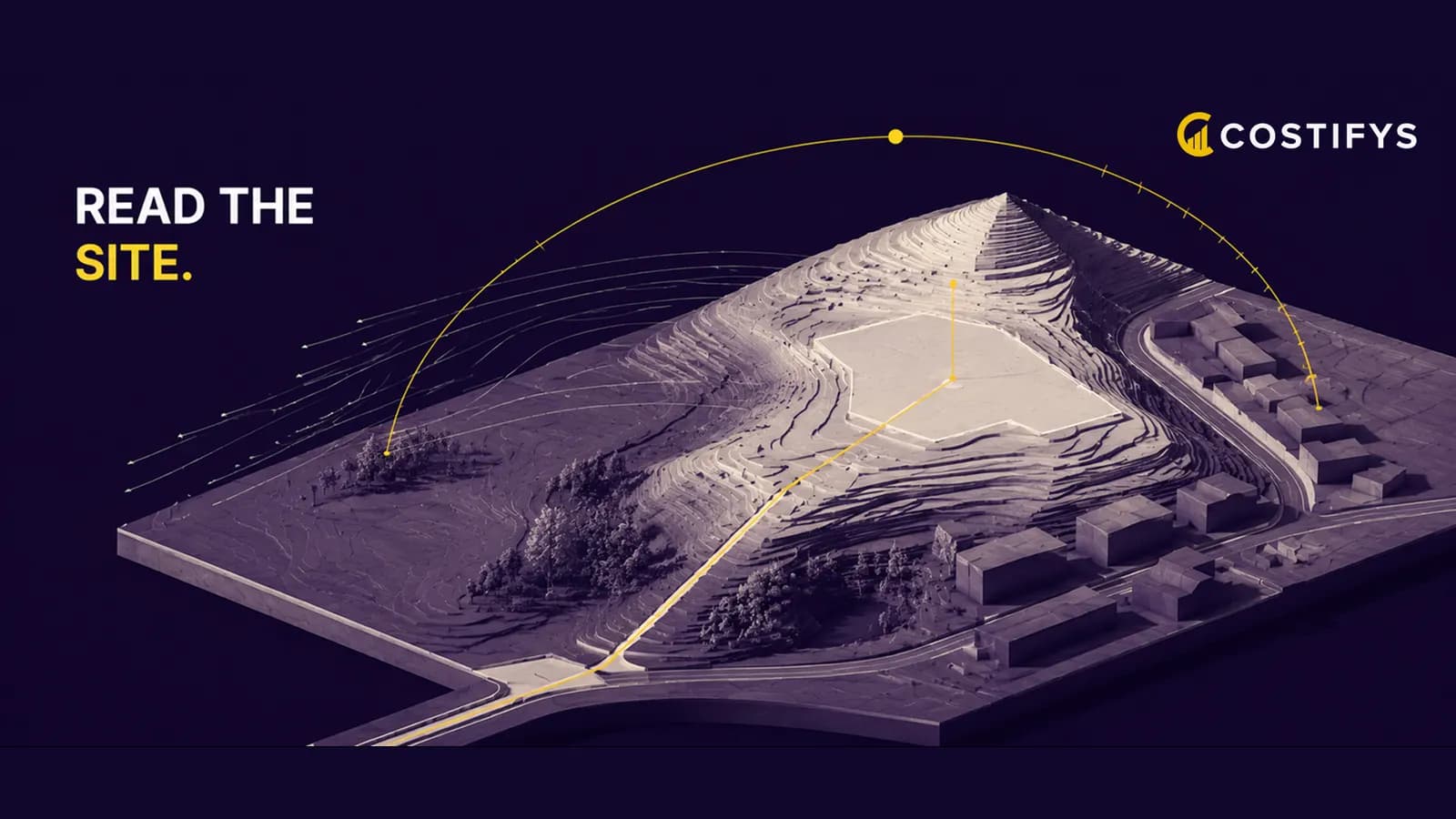
Every architecture project starts with the site. The land, its surroundings, its climate, and its constraints shape every design decision that follows. A thorough site analysis gives you the information you need to make smart design choices from day one.
Skip the site analysis and you risk designing a building that fights its context instead of working with it. This guide covers everything architects need to know about conducting a site analysis.
What Is Site Analysis?
Site analysis is the systematic study of a project site and its surrounding environment. It gathers physical, environmental, legal, and contextual data that will inform the design. Think of it as the research phase before the first sketch.
A good site analysis answers three core questions:
- What are the site's opportunities? (Views, solar access, mature trees, topography)
- What are the site's constraints? (Setbacks, easements, noise, poor soil, flooding)
- How does the surrounding context influence the design? (Neighboring buildings, traffic patterns, pedestrian flows, cultural context)
The Site Analysis Checklist
A comprehensive site analysis covers these categories. Not every project requires every item, but this checklist ensures you do not miss anything critical.
1. Physical Characteristics
- Topography: Slopes, grade changes, drainage patterns, and elevation data. Get a topographic survey for any site with more than a few feet of grade change.
- Soil conditions: Bearing capacity, water table depth, soil type, and contamination history. A geotechnical report is essential for structural design.
- Existing structures: Buildings, walls, fences, paving, and foundations on the site. Document their condition and determine what stays and what goes.
- Vegetation: Trees (species, size, condition, protection status), shrubs, and ground cover. Protected trees can significantly constrain your building footprint.
- Utilities: Locations and capacities of water, sewer, gas, electric, telecom, and stormwater connections. Confirm availability and capacity with utility providers.
2. Environmental Conditions
- Solar orientation: Sun path throughout the year. This affects building orientation, glazing strategy, passive heating and cooling, and outdoor space design.
- Wind patterns: Prevailing wind direction and speed by season. Important for natural ventilation, outdoor comfort, and structural design in high-wind areas.
- Climate data: Temperature ranges, rainfall, snowfall, humidity, and extreme weather events. This data drives HVAC design and envelope decisions.
- Noise sources: Highways, airports, rail lines, industrial neighbors, and other noise generators. Sound levels influence building orientation and wall assembly design.
- Views: Desirable views to preserve and undesirable views to screen. Views are often the most valuable asset a site offers.
- Flood zones: FEMA flood maps, historic flooding data, and drainage patterns. Flood zone designation affects foundation design, insurance, and permitting.
3. Regulatory Constraints
- Zoning: Use restrictions, height limits, FAR (floor area ratio), lot coverage, and density limits
- Setbacks: Required distances from property lines, streets, and adjacent buildings
- Easements: Utility easements, access easements, and conservation easements that restrict buildable area
- Parking requirements: Minimum (and sometimes maximum) parking ratios based on use and size
- Historic district rules: Design review requirements, material restrictions, and height limits in historic areas
- Environmental regulations: Wetland buffers, endangered species protections, stormwater management requirements
4. Context and Neighborhood
- Adjacent buildings: Height, scale, materials, setbacks, and condition of neighboring structures
- Street character: Width, traffic speed, pedestrian activity, tree canopy, and overall feel
- Transit access: Proximity to bus stops, train stations, bike lanes, and pedestrian paths
- Neighborhood amenities: Parks, schools, shopping, restaurants, and other services nearby
- Future development: Planned projects nearby that could change the context during your project's lifetime
Tools for Site Analysis
Modern architects combine traditional fieldwork with digital tools:
- Topographic surveys: Hire a licensed surveyor for accurate elevation data, property boundaries, and existing conditions
- GIS mapping: Geographic information systems provide layers of data including zoning, flood zones, soil types, and utilities
- Sun path software: Tools like Ladybug (for Grasshopper/Rhino) or SketchUp's shadow analysis show solar exposure throughout the year
- Wind analysis: CFD (computational fluid dynamics) software models wind patterns around the site and proposed building
- Google Earth and Street View: Useful for initial desktop research before the site visit. Measure distances, check context, and review historic imagery.
- Drone photography: Aerial photos and video provide perspectives impossible to see from ground level. Increasingly affordable and fast.
- Noise measurement: Sound level meters document ambient noise conditions at different times of day
How to Document Your Site Analysis
A site analysis is only useful if you document and share it clearly. Standard documentation includes:
- Site analysis diagrams: Graphic representations of solar paths, wind patterns, views, noise sources, and circulation patterns overlaid on the site plan
- Photo documentation: Photos from the site and its surroundings, keyed to a site plan showing camera locations and directions
- Written summary: A narrative describing key findings, opportunities, and constraints. This is essential for team members who did not visit the site.
- Data tables: Climate data, zoning parameters, utility capacities, and other quantitative information organized for easy reference
- Composite analysis diagram: A single diagram synthesizing all analysis into design implications. This is the most valuable deliverable because it translates data into design direction.
How Site Analysis Shapes Design
Good site analysis directly influences these design decisions:
- Building placement: Where you locate the building on the site based on setbacks, views, solar access, and topography
- Orientation: Which direction the building faces based on sun, wind, views, and street frontage
- Massing: How tall and wide the building is based on zoning, context, and solar access
- Entry and circulation: Where people enter and how they move through the site based on access points and pedestrian flows
- Outdoor spaces: Where to locate courtyards, gardens, and gathering areas based on sun, wind, and noise
- Material choices: What materials and assemblies work best given the local climate, context, and regulatory requirements
Site analysis represents a relatively small investment of time that pays dividends throughout the project. It prevents costly redesigns caused by overlooked constraints and unlocks design opportunities that only become visible through careful study.
Tracking the hours your team invests in site analysis and every other pre-design activity helps ensure your project stays on budget from the start. Costifys lets you allocate and monitor budgets by phase, so you always know how much of your fee has been used before you move to the next stage.
Written by the Costifys editorial team
Costifys publishes practice-management research for architecture and engineering firms. Articles are written and reviewed in-house against our editorial policy, which covers how we source figures, when we update articles, and how we handle claims about our own product.
Let AI handle the boring parts of running your firm
AI Budget Builder, AI Staffing picks, and AI meeting notes free your team from admin so you can focus on design.
Get weekly A&E firm insights
Budgeting tips, utilization benchmarks, and product updates. No spam.